Understanding the psychology of gambling What drives players to take risks
The Allure of Risk
The psychology of gambling is deeply intertwined with the thrill of risk-taking. For many players, the anticipation that accompanies placing a bet creates a rush of adrenaline, often termed “the gambler’s high.” This heightened state of excitement can lead to a pleasurable experience, making the act of gambling more appealing. The very nature of risk invites individuals to step outside their comfort zones, challenging them to confront uncertainty and engage with the unknown. At sites like realzcasino-canada.org, players can explore these risks through a vast array of games.

Moreover, risk-taking is often linked to the brain’s reward system, which releases dopamine when a player wins. This chemical reaction reinforces the behavior, encouraging players to continue seeking that euphoric feeling. As they experience wins, even small ones, it solidifies the belief that they can strike it lucky again. Consequently, this cycle of winning and losing, fueled by the thrill of risk, keeps players coming back for more, often ignoring the potential negative consequences.
Additionally, the concept of risk can vary significantly among individuals. Some may view it as an entertaining challenge, while others might see it as a pathway to financial gain. This subjective interpretation affects their gambling behavior, driving them to take risks they might otherwise avoid in other areas of life. Understanding this dynamic is crucial, as it helps explain why certain individuals become more immersed in gambling activities, ultimately shaping their overall experience.
The Role of Cognitive Biases
Cognitive biases play a pivotal role in the psychology of gambling. These biases, which are systematic patterns of deviation from norm or rationality, can influence players’ decision-making processes. One common bias is the “illusion of control,” where players believe they can influence the outcome of a game through skill or strategy, even in games based purely on chance. This illusion can lead to overconfidence and increased risk-taking as players seek to assert their perceived control over outcomes.
Another significant cognitive bias is the “gambler’s fallacy,” where individuals believe that past events affect future probabilities in independent random events. For instance, if a player sees a series of losses, they might think a win is due to happen soon, prompting them to increase their bets. This fallacy can result in substantial financial losses, as players often chase their losses, further entrenching them in a cycle of risky behavior.
Understanding these cognitive biases is vital for both players and operators in the gambling industry. By recognizing how these biases can skew perceptions, individuals can make more informed choices. Additionally, casinos and online gaming platforms can tailor their practices to promote responsible gambling, emphasizing awareness of cognitive biases and their potential impact on players’ decisions.
Emotional Factors in Gambling
Emotions significantly drive gambling behavior, often influencing decisions more than rational thought. Many players gamble to escape from stress or negative feelings, using the experience as a coping mechanism. The act of placing a bet or playing a game can provide a temporary distraction, allowing individuals to forget their worries, albeit for a short while. This emotional escape can become addictive, leading players to seek out gambling as a primary way to manage their emotions.
Conversely, positive emotions can also enhance gambling behavior. The thrill of winning or the excitement of participating in games can produce feelings of joy and satisfaction. These experiences create a positive feedback loop, encouraging players to continue gambling in search of more highs. However, when emotions overshadow rational decision-making, players can quickly find themselves in precarious financial situations.
Furthermore, social influences can amplify emotional responses to gambling. Many individuals engage in gambling as a social activity, enhancing their emotional connection to the experience. Sharing wins with friends or celebrating together can foster a sense of community, making the thrill of gambling even more appealing. However, this social dimension can also lead to peer pressure, where individuals feel compelled to gamble more than they initially intended, often exacerbating the emotional rollercoaster associated with gambling.
The Impact of Environment
The environment in which gambling occurs has a profound influence on players’ behaviors and perceptions. Various factors, such as lighting, sound, and even scent, are meticulously designed in casinos and online platforms to create an exhilarating atmosphere. These elements stimulate the senses and enhance the overall gambling experience, making players more likely to take risks. The ambient noise, the flashing lights, and the allure of potential rewards can lead to a heightened state of arousal, pushing players to engage in more risk-taking behavior.
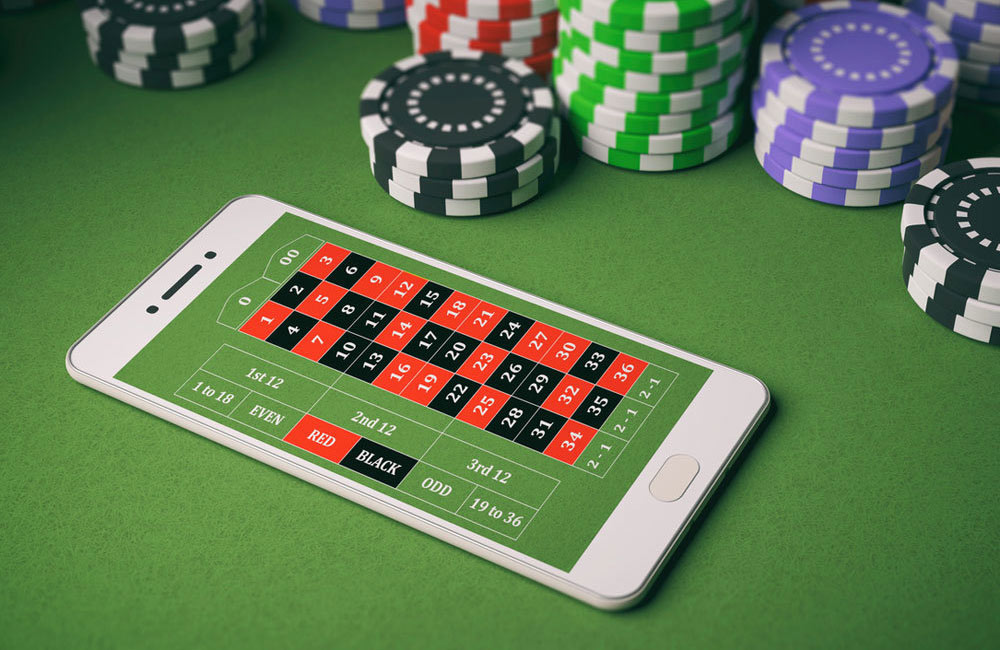
Online gambling environments have also evolved, utilizing technology to create immersive experiences. Features such as live dealer games and virtual reality options transport players to a simulated casino environment, further enhancing the allure of risk. These innovations can make online gaming feel more engaging and social, which can lead to increased risk-taking as players feel more connected to the experience.
Moreover, the accessibility of gambling platforms means that individuals can engage in risk-taking behaviors more frequently. The convenience of gambling from home or via mobile devices can lower barriers to entry, making it easier for players to indulge in their impulses. This accessibility can lead to increased gambling frequency and, consequently, a higher likelihood of taking risks without fully assessing the consequences.
Realz Casino and Responsible Gaming
At Realz Casino, understanding the psychology of gambling is pivotal to creating a responsible gaming environment. Our platform is committed to promoting safe gambling practices by educating players about the psychological factors that drive risk-taking. We believe that informed players are more likely to make decisions that enhance their overall gaming experience without compromising their financial wellbeing.
Our wide selection of over 2,600 games is designed not just for entertainment but also for responsible enjoyment. We prioritize secure transactions and quick payouts, ensuring that players can focus on their gaming experience without unnecessary stress. Furthermore, our customer support team is always available to assist players with inquiries, fostering a supportive environment that encourages responsible gambling habits.
Joining Realz Casino means stepping into a world of thrilling gameplay while being part of a community that values responsible gaming. We encourage our players to be mindful of their gambling behaviors and to seek help if they feel that their gaming habits are becoming problematic. Together, we can foster a safer gambling atmosphere that enhances enjoyment while mitigating risk.